
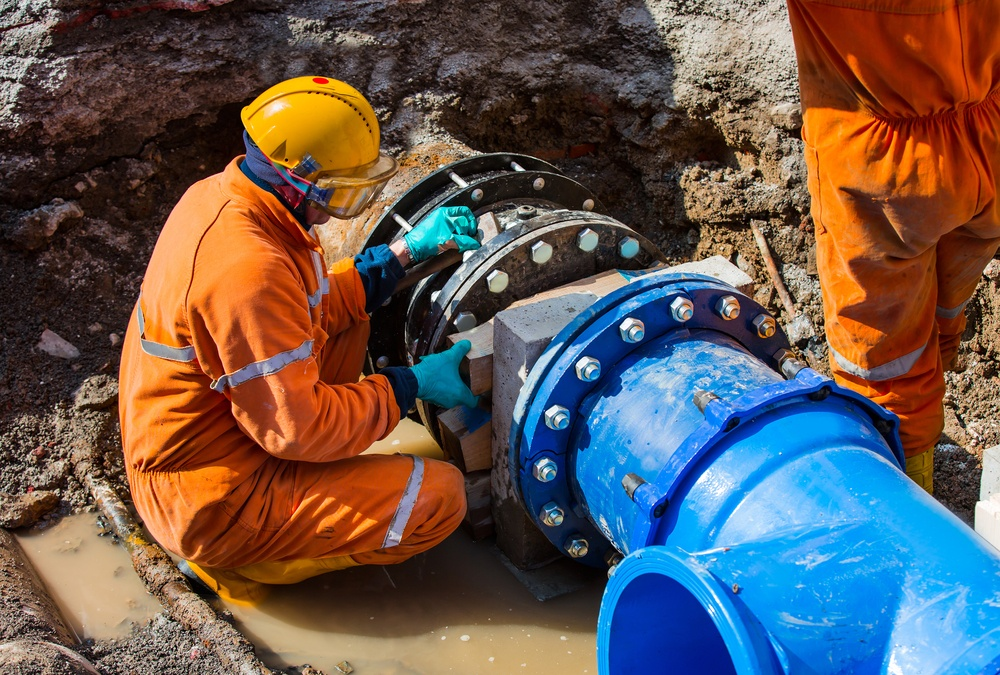
Industrial tanks are critical assets in manufacturing, chemical processing, water treatment, and other heavy industries. These tanks often store substances that are highly corrosive or reactive, making them susceptible to deterioration over time. Corrosion not only compromises the integrity of the tanks but can also lead to costly downtime, environmental hazards, and safety risks. Industrial tank coating plays a crucial role in extending the life of these structures by creating a protective barrier between the tank surface and corrosive agents.
Understanding Corrosion and Its Impact on Industrial Tanks
Corrosion is a natural chemical process in which metals deteriorate due to reactions with water, oxygen, acids, or other chemicals. In industrial settings, tanks are frequently exposed to harsh environments that accelerate this process. For example, chemical storage tanks face aggressive substances that can quickly eat away at unprotected metal surfaces, while water storage tanks may suffer from rust formation due to continuous contact with moisture. The effects of corrosion are not only structural; they can lead to leaks, contamination of stored materials, and potential health hazards for workers and nearby communities.
Industrial tank coating addresses these challenges by providing a resilient layer that isolates the tank material from corrosive agents. By doing so, the coating preserves the tank’s structural integrity and ensures that operations can continue safely and efficiently. Without adequate protection, companies may face expensive repairs, premature replacement of tanks, and operational interruptions that impact productivity.
Types of Industrial Tank Coating and Their Applications
There are several types of coatings designed to protect industrial tanks, each suited for specific conditions and materials. Epoxy coatings are widely used due to their excellent adhesion, chemical resistance, and durability. They form a hard, non-porous surface that prevents moisture and chemicals from penetrating the metal. Polyurethane coatings, on the other hand, provide flexibility and resistance to abrasion, making them suitable for tanks exposed to mechanical wear or fluctuating temperatures.
In addition to these, specialized coatings such as rubber linings or ceramic-based coatings are employed for highly aggressive substances. Rubber linings provide a flexible barrier that resists chemical attack, while ceramic coatings offer exceptional hardness and corrosion resistance for extreme environments. Choosing the right industrial tank coating depends on the type of material stored, operating conditions, and long-term maintenance considerations.
Applying these coatings requires careful preparation, including surface cleaning, rust removal, and priming to ensure proper adhesion. Trained professionals assess the tank’s condition and select the appropriate coating system to maximize protection. Proper application is as important as the coating material itself because even a small flaw or missed area can allow corrosion to take hold.
Benefits of Industrial Tank Coating in Corrosion Prevention
The primary benefit of industrial tank coating is its ability to prevent corrosion, but its advantages extend beyond that. Coated tanks have a longer service life, reducing the need for frequent replacements and minimizing downtime. Maintenance becomes more predictable and less labor-intensive because the coating acts as the first line of defense against rust, chemical attack, and abrasion.
Additionally, industrial tank coating improves operational safety. Tanks that maintain their structural integrity are less likely to leak hazardous chemicals, which protects workers, the environment, and company assets. In industries where contamination is a concern, coated tanks help maintain the purity of stored materials by preventing interactions between the tank metal and the substances inside. This is particularly critical in food processing, pharmaceuticals, and water storage applications.
Another advantage of industrial tank coating is cost efficiency. While the initial investment in high-quality coatings and professional application may seem significant, it is far lower than the cost of repairing or replacing corroded tanks. Long-term savings are realized through reduced maintenance, fewer operational interruptions, and improved durability.
Inspection and Maintenance of Coated Tanks
Even with a robust industrial tank coating, regular inspection and maintenance are essential. Over time, coatings can experience wear, scratches, or chemical degradation, creating vulnerabilities for corrosion. Routine inspections allow operators to identify minor issues before they escalate into serious damage. Techniques such as ultrasonic testing, visual inspections, and adhesion tests help determine the coating’s condition and ensure that it continues to provide adequate protection.
Maintenance may involve touch-ups, recoating, or complete restoration, depending on the extent of wear. Ensuring proper cleaning of the tank surface and prompt repair of any coating defects is vital to preserving the tank’s integrity. Companies that adopt proactive inspection and maintenance programs often see significant improvements in tank longevity and performance.
Industrial tank coating is an essential component of corrosion prevention strategies in modern industries. By selecting the appropriate coating type, ensuring professional application, and performing regular maintenance, companies can protect their tanks, reduce costs, and maintain operational safety. The right coating system serves as a durable shield that mitigates the risks associated with corrosion, safeguarding both the investment and the surrounding environment.