
The Menu Tasting Myth That Trips Up First-Time Hosts
Most people assume the hardest part of planning an event meal is picking a cuisine everyone will like. They spend weeks debating barbecue versus Italian versus some fusion menu, treating food style as the make-or-break decision. In reality, the bigger issue is almost always logistics: how many guests can be served hot food at once, how far the kitchen sits from the venue, and whether the staff has handled an event of similar size before. A caterer who nails flavor but has never managed three hundred plates in ninety minutes will struggle just as much as one with a limited menu and flawless execution.
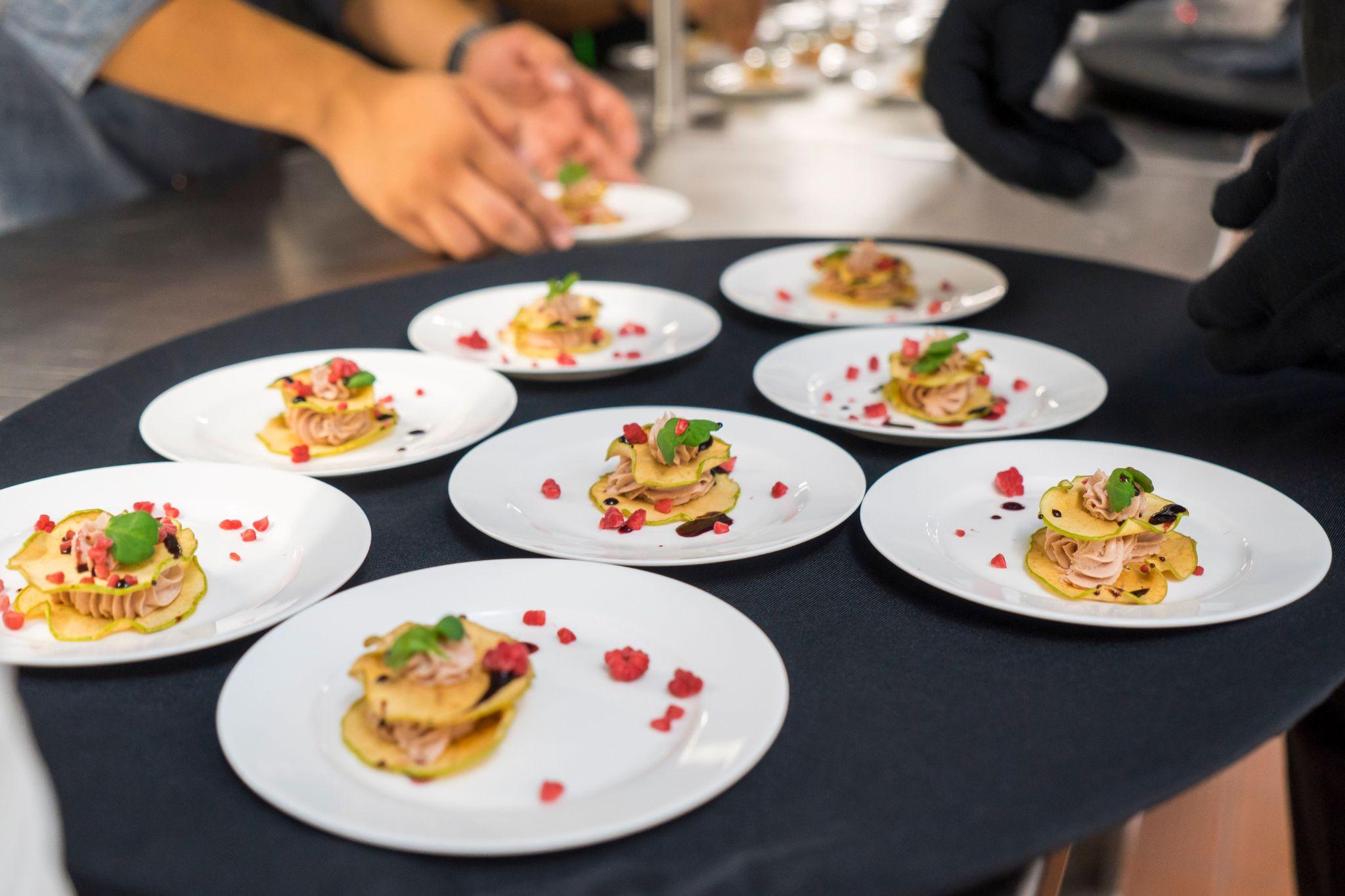
There’s also a common belief that a free tasting guarantees the same quality on event day. Tastings are usually prepared in small batches with extra attention, which doesn’t always reflect how food holds up once it’s scaled for a banquet hall or outdoor tent. Temperature control, transport time, and reheating methods change texture and taste in ways a sample plate can’t predict. Hosts who judge only by the tasting often get surprised, not because the caterer lied, but because volume cooking is a different skill than plating for four people at a counter.
Another misconception involves comparing pricing purely on a per-plate basis. Two quotes that look identical on paper can differ wildly once rental equipment, staffing hours, gratuity, and delivery fees show up in the fine print. Hosts comparing bids without asking what’s included often choose the option that looks cheapest but costs more once everything is itemized.
Matching Kitchen Capacity to Your Guest Count
Once logistics take priority over menu novelty, the next step is figuring out which local kitchens can actually scale. Finding reliable catering in Salt Lake City for your event often comes down to asking pointed questions about past event sizes rather than browsing sample menus online. A kitchen that handles forty-person office lunches daily isn’t automatically equipped for a two-hundred-guest wedding reception, and the reverse holds true too. Asking for references from events close to your expected headcount tends to reveal more than any portfolio photo.
Staffing ratios matter just as much as kitchen size. A caterer might have excellent recipes but send only two servers for an event that needs six, turning a planned sit-down dinner into a slow, frustrating wait. It helps to ask directly how many staff will be on-site, what their roles are, and who handles problems if something runs short mid-event. Clear answers here usually signal a company that’s anticipated friction points before they happen.
Equipment capacity deserves the same scrutiny as staffing. Chafing dishes, warming trays, and transport containers all have limits, and a kitchen stretched past its inventory tends to improvise in ways that affect temperature and presentation. Asking whether a caterer owns their equipment or rents it for larger jobs can tell you how often they handle events at your scale.
Timing Your Decisions Around the Local Event Calendar
Salt Lake City’s event season gets busy fast, particularly around graduation weekends, ski season wrap-ups, and the summer wedding stretch, so timing your outreach matters more than most hosts expect. Reaching out eight to twelve weeks ahead gives you better date availability and more flexibility on menu customization. Waiting until a month out often limits you to whoever has a cancellation, rarely the ideal match for your event’s needs. Local food coverage, including Salt Lake Tribune restaurant coverage, regularly tracks which kitchens are expanding their event services, a useful signal of who’s investing in growth versus who’s stretched thin.
Once you’ve narrowed your options, put details in writing early, including exact serving times, dietary accommodations, and a contingency plan for weather if the event is outdoors. Verbal agreements tend to get fuzzy as the date approaches, especially when a caterer is juggling multiple events the same week. A short written confirmation, even informal, protects both sides and gives you something concrete to reference if plans shift.
Also read: What Patients Should Know Before Joining a Medical Research Study
Weather contingencies deserve special attention given how quickly conditions shift along the Wasatch Front, where a sunny afternoon can turn windy or cold within hours. Confirming tent availability, indoor backup space, and alternative serving arrangements before the week of the event saves everyone from last-minute scrambling. Caterers who’ve worked outdoor events in the area usually have a standard contingency plan ready, so asking about it directly reveals how prepared they truly are. Building this into your early planning, rather than treating it as an afterthought, tends to produce calmer, smoother events.